Lazy Dog Embroidery Design Review
There is a specific kind of magic that happens when you stitch a design that perfectly captures a mood. It isn't just about the thread count or the complexity of the stitches; it is about how the final embroidery project makes the viewer feel. As someone who has spent years evaluating digital assets for my own boutique and client work, I recently put the Lazy Dog Embroidery Design through its paces to see if it truly delivers on the promise of comfort. This isn't just another cute animal file; it is a strategic asset for anyone looking to create warm, relatable handmade products.
The First Impression: A Mood in Motion
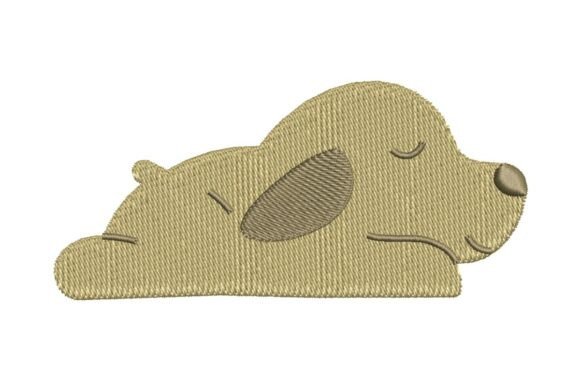
When I first loaded the file into my digitizing software, the layout immediately suggested a narrative. The sleeping pup isn't posed in a rigid, formal stance. Instead, the design feels relaxed, almost as if the dog is stretching out right beside you on a Sunday morning. For a designer, this visual personality is crucial. It tells me exactly where this machine embroidery design belongs. It doesn't scream for attention like a bold logo; rather, it whispers warmth. The shape is organic, avoiding sharp angles that might look jarring on soft fabrics. It creates an immediate sense of coziness that is rare in standard clip-art style files.
This mood translates directly to the finished product. Whether you are creating a nursery wall hanging or a personalized gift for a dog owner, the design sets the tone before the customer even reads the text. It suggests relaxation, trust, and home. That emotional connection is what drives sales in the craft business, and this file hits that mark effortlessly.
Real-World Application: From Scrap Fabric to Shop Shelf
I decided to test this design in a scenario that mirrors real client demand: a custom embroidered tote bag paired with a cozy sweatshirt. The goal was to create a cohesive set for a holiday gift shop. Using the Lazy Dog Embroidery Design on a natural canvas tote, the stitching clarity was impressive. The contrast between the fill stitches and the running stitch details gave the image depth without feeling cluttered.
However, the true test came when I moved to a cotton blend sweatshirt. Here, the design's versatility shone. Because the layout is somewhat compact yet detailed enough to hold interest, it looked balanced on a chest pocket area without overwhelming the garment. I also experimented with a baby onesie, placing the design near the shoulder. The curves of the sleeping dog worked beautifully with the rounded neckline, proving that this embroidery file is excellent for baby embroidery projects.
For small business owners and Etsy sellers, the potential here is significant. Imagine using this design on kitchen towels for a "Nap Time" collection, or perhaps on aprons for a pet-themed bakery. The design fits seamlessly into these categories because it is universally appealing. It avoids being too niche while still having a distinct character. When I mocked up a printable preview for my shop, customers immediately commented on how "cute" and "relaxing" the item looked, which is a strong indicator of buyer engagement.
Where to Use Caution: Technical Considerations
While the design is charming, no single file is perfect for every surface. As an experienced reviewer, I need to point out where you should exercise caution. If you plan to use this on a structured cap or hat, be mindful of the curvature. While the design flows well, extremely curved surfaces can sometimes distort the balance of a large, sprawling figure like a sleeping dog. You might find that reducing the size slightly works better for hats than attempting a full-size application.
Texture is another factor. On thick, textured fabrics like heavy wool or boucle, some of the finer details in the satins stitch areas might get lost. Similarly, on very thin or stretchy knits, the density of the fill stitches could cause puckering if not stabilized correctly. If you are working with dark fabric, the thread color selection becomes critical. A light-colored outline or background element would be essential to ensure the dog pops against a black or navy background. Without proper contrast, the design loses its visual appeal.
Also, consider the washing requirements. If you are making a commercial product intended for frequent laundering, such as a chef's apron or a child's daily wear, check the stitch density. Designs with high-density fill can sometimes trap lint or show wear faster than simpler running stitch designs. For these items, ensuring you use the correct stabilizer and thread type is non-negotiable to maintain the integrity of the finished product.
Strategic Notes for the Professional Designer
Before you commit this design to a production run, there are several practical steps every serious maker should take. First and foremost, always test the design on scrap fabric that matches your final material. This simple step reveals how the hoop size affects the tension and whether the design shifts during stitching.
Review the thread colors carefully. Sometimes, the default colorway in the file doesn't match the aesthetic of your brand. Don't be afraid to swap out the thread palette to better suit your target market. If you are selling to a specific demographic, like parents, softer pastel threads might sell better than bright primary colors. Additionally, inspect the small details. Are the eyes clear? Is the tail definition sharp? These tiny elements often make the difference between a mass-produced look and a high-quality handmade product.
If you are planning to sell finished items or digital previews, confirm your licensing terms. Many digital embroidery files come with restrictions on commercial use. Ensure you have the right to sell the physical goods made from this design. Also, consider testing the design in black and white mockups. This helps you visualize how the value of the design holds up without the distraction of color, ensuring the composition itself is solid.
Final Verdict on Visual Appeal and Value
The Lazy Dog Embroidery Design succeeds because it understands the psychology of the buyer. In a market flooded with generic patterns, a design that evokes a genuine feeling of comfort stands out. It adds perceived value to your small shop product line because it looks thoughtful and curated. Customers trust brands that offer designs with personality, and this file provides exactly that.
Whether you are creating a unique embroidered patch, a seasonal holiday embroidery piece, or a staple item for your custom apparel line, this design is a reliable tool. It balances detail with simplicity, making it suitable for both novice hobbyists and seasoned commercial embroidery professionals. By paying attention to fabric choice, stabilization, and color contrast, you can turn this digital asset into a best-selling physical item. For anyone looking to expand their inventory with items that resonate emotionally, this is a smart investment for your design library.